Share
Pelawan Bangka honey enters the global market with support from Indonesia Eximbank, proving that sustainable forests can boost the village economy.
Jakarta, 19th January 2026 – A consistent environmental conservation effort can go alongside improving people's welfare. This is proven by Muhammad Zaiwan, a community leader and Head of Namang Village, Namang District, Central Bangka Regency, who successfully brought Madu Pelawan, a leading forest-based product, to the international market with Indonesia Eximbank.
Since 2008, Zaiwan has taken bold steps by issuing a Village Regulation (Perdes) to protect the 300-hectare Pelawan Forest from the threat of illegal tin mining. This decision was made amid high tin prices and short-term economic incentives that had the potential to damage the environment.
Instead of exploiting the forest, Zaiwan developed sustainable economic potential through non-timber forest products, one of which is Pelawan Honey. This unique bitter honey, produced by wild bees from the flowers of the Pelawan tree, has a distinctive character: it is dark in color, bitter in taste, and high in nutritional content, making it different from other types of honey.
This decision sparked controversy. The Pelawan Forest area has the status of Land Use Area (APL), which legally can be sold or managed for mining, but Zaiwan chose to protect the area.
Additionally, local belief holds that where there are Pelawan Trees, the soil beneath contains significant tin deposits. This has led some residents to urge Zaiwan to open a tin mine with the potential for billions of rupiah in profits. However, he remains steadfast in protecting the forest that holds memories of his childhood.
“Then because of the village regulation, some people said I was stressed, insane, and stupid for refusing a large sum of money from the tin mine. But I feel very fond of this forest,” said Zaiwan.
Nevertheless, Zaiwan continues to think about the welfare of the residents. He encourages the community to utilize the forest's potential in a sustainable manner, especially through the production of Pelawan honey. The tradition of honey hunting has actually been passed down from generation to generation by the residents of Namang Village, but it has slowly been abandoned as people prefer to mine tin.
Zaiwan believes that his village's Pelawan honey has potential and characteristics that are different from honey from other regions in Indonesia. Zaiwan plans to produce higher quality and more competitive Pelawan honey by continuing to make various efforts to develop it, one of which is through the support of the government, in this case Indonesia Eximbank/Lembaga Pembiayaan Ekspor Indonesia (LPEI), to expand the market for Pelawan honey products to foreign countries.
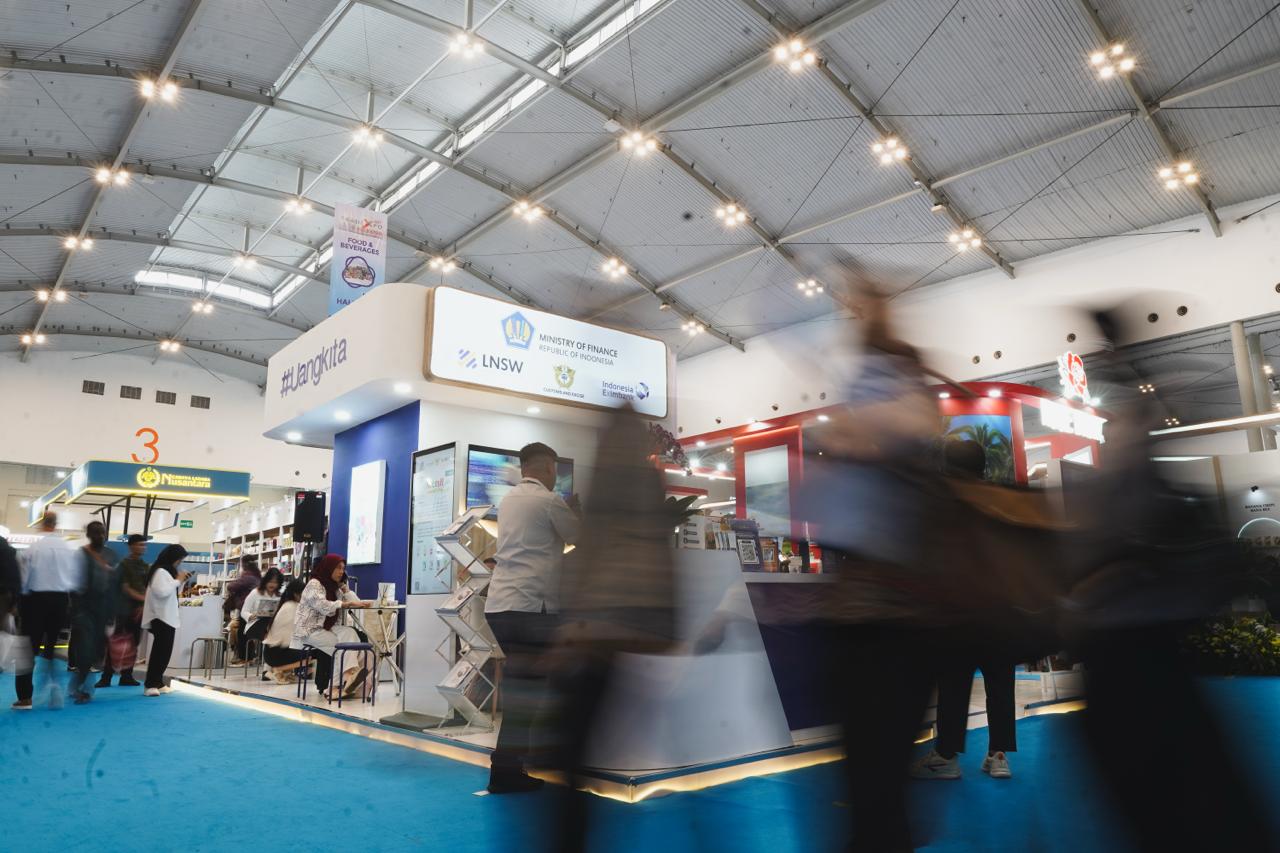
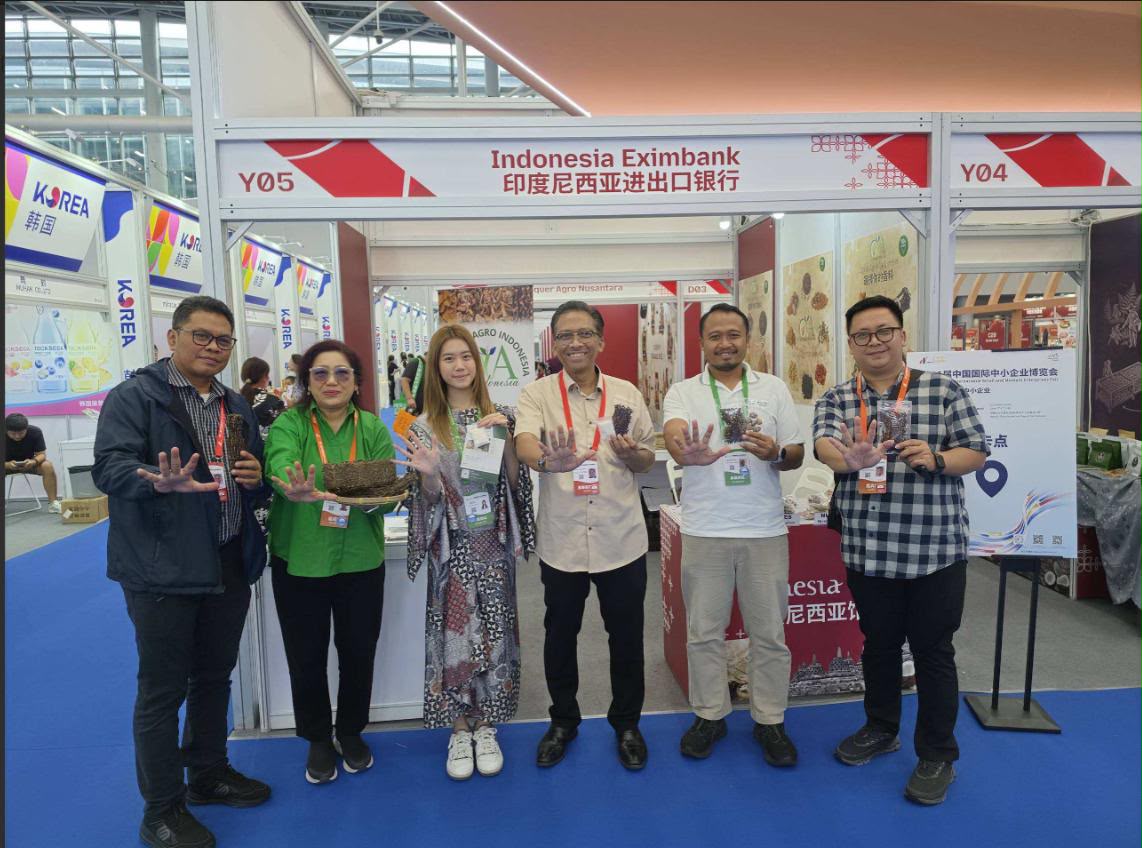
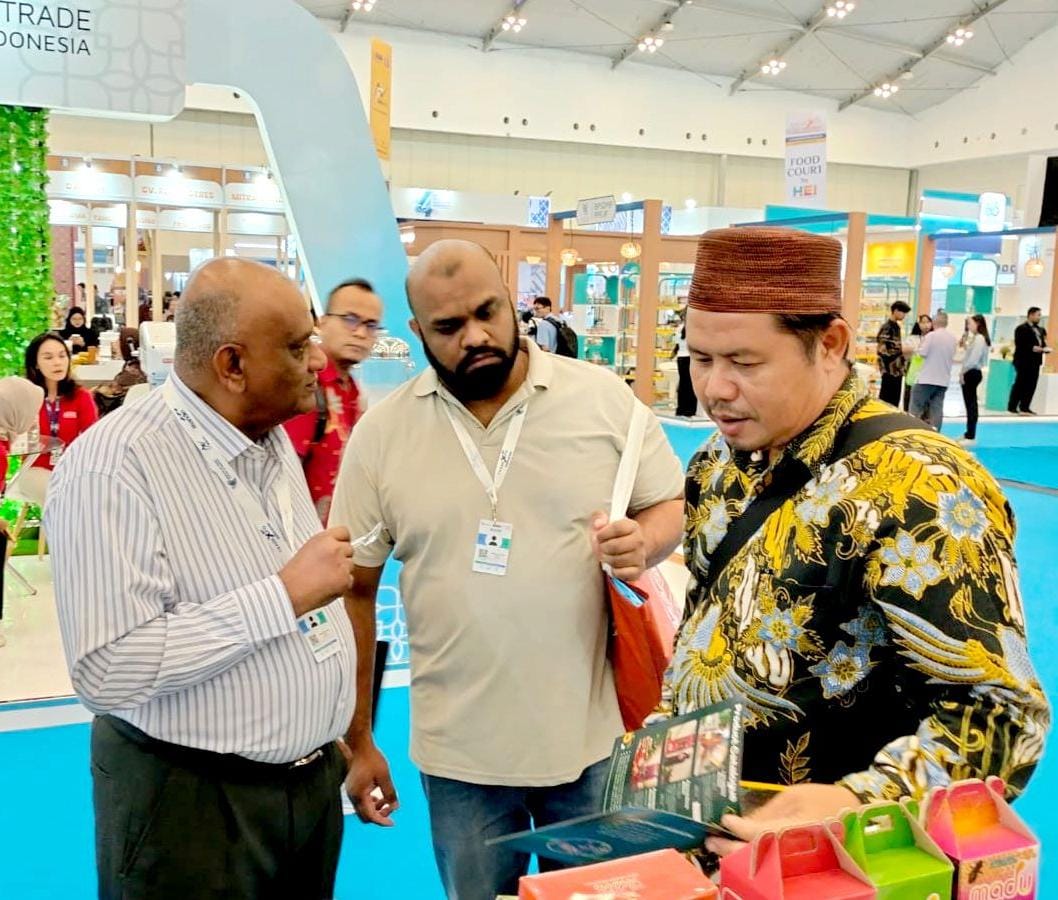
Through Indonesia Eximbank, Pelawan Forest Honey products have the opportunity to participate in the Trade Expo Indonesia in 2025 to introduce their products to potential foreign buyers. Currently, Pelawan Honey has significant economic value. Grade A honey is sold for up to IDR 1.5 million per kilogram, while Grade B is around IDR 750,000 per kilogram. The development of this commodity has involved 125 farmers and honey collectors in Namang Village.
Zaiwan and the village community are able to produce around 200 bottles of honey per month, even increasing to 600 bottles at certain times, such as holidays, national holidays, or when there are government visits. In terms of income, the community earns around IDR 5-6 million per month, with each farmer able to produce between 60 and 90 bottles of honey.
This is in line with Indonesia Eximbank's commitment to ESG (Environmental, Social, Governance) principles and the framework of the 17 Sustainable Development Goals (SDGs), particularly no poverty, resilience and sustainable agriculture, sustainable economy, and climate change mitigation. All of these efforts are also in line with the Government's Asta Cita program.
In 2024, Madu Pelawan obtained Geographical Indication (GI) certification from the Ministry of Law and Human Rights. This certification confirms the geographical identity of Madu Pelawan as a commodity unique to Namang Village, Central Bangka Regency, which is recognized by the government and protects the product from counterfeiting.
Zaiwan expressed his appreciation and gratitude for the support of various parties, especially Indonesia Eximbank, which has opened access and opportunities for local products from Bangka Belitung to appear on the international stage.
“The opportunity provided by LPEI is a great momentum for us to introduce Pelawan Forest Honey to the global market and prove that village products can also compete at the world level,” he said.
Today, Pelawan Honey is not only popular among international tourists visiting Pelawan Forest but has also been exported to various countries. Even its derivative product, Pelawan Leaf Tea, has successfully penetrated the Japanese market. This serves as tangible proof that sustainable forest management based on ESG principles and a sustainable economy can generate positive economic impacts for rural communities while preserving natural conservation.
 en
en  id
id