Share
Jakarta, July 29, 2026 – Indonesia's textile and textile products (TPT) industry is considered to have significant potential to further strengthen its contribution to national exports as global demand improves and the demand for sustainable textile products continues to increase. However, to capitalize on this momentum, the industry needs to enhance its competitiveness by strengthening its supply chain, modernizing production, and expanding export financing support.
The Indonesia Eximbank Institute noted that global demand for upstream textile products, such as yarn, woven fabrics, and knitted fabrics, has begun to recover throughout 2025. This condition presents opportunities for Indonesia's textile industry to further increase its penetration into international markets, although Indonesia's export market share continues to face pressure from the increasing competitiveness of China, India, and Vietnam.
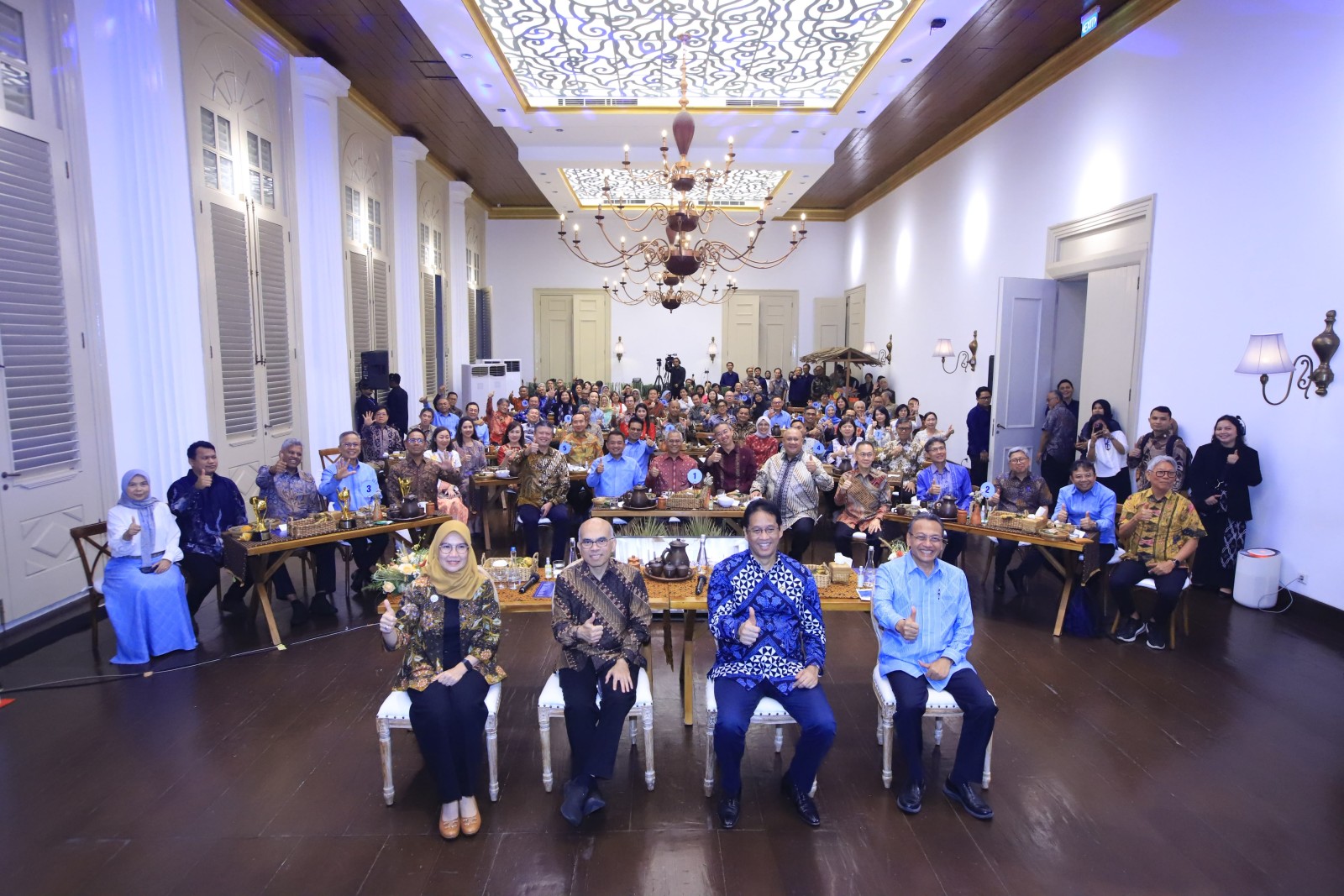
As part of these efforts, LPEI organized the LPEI Export Forum (LEF) Bandung under the theme "Building a Competitive and Sustainable Garment Supply Chain for the Global Market" at the end of July 2026. The forum brought together textile and garment industry players, exporters, suppliers, associations, and other stakeholders to discuss global market prospects as well as strategies to strengthen Indonesia's export competitiveness.
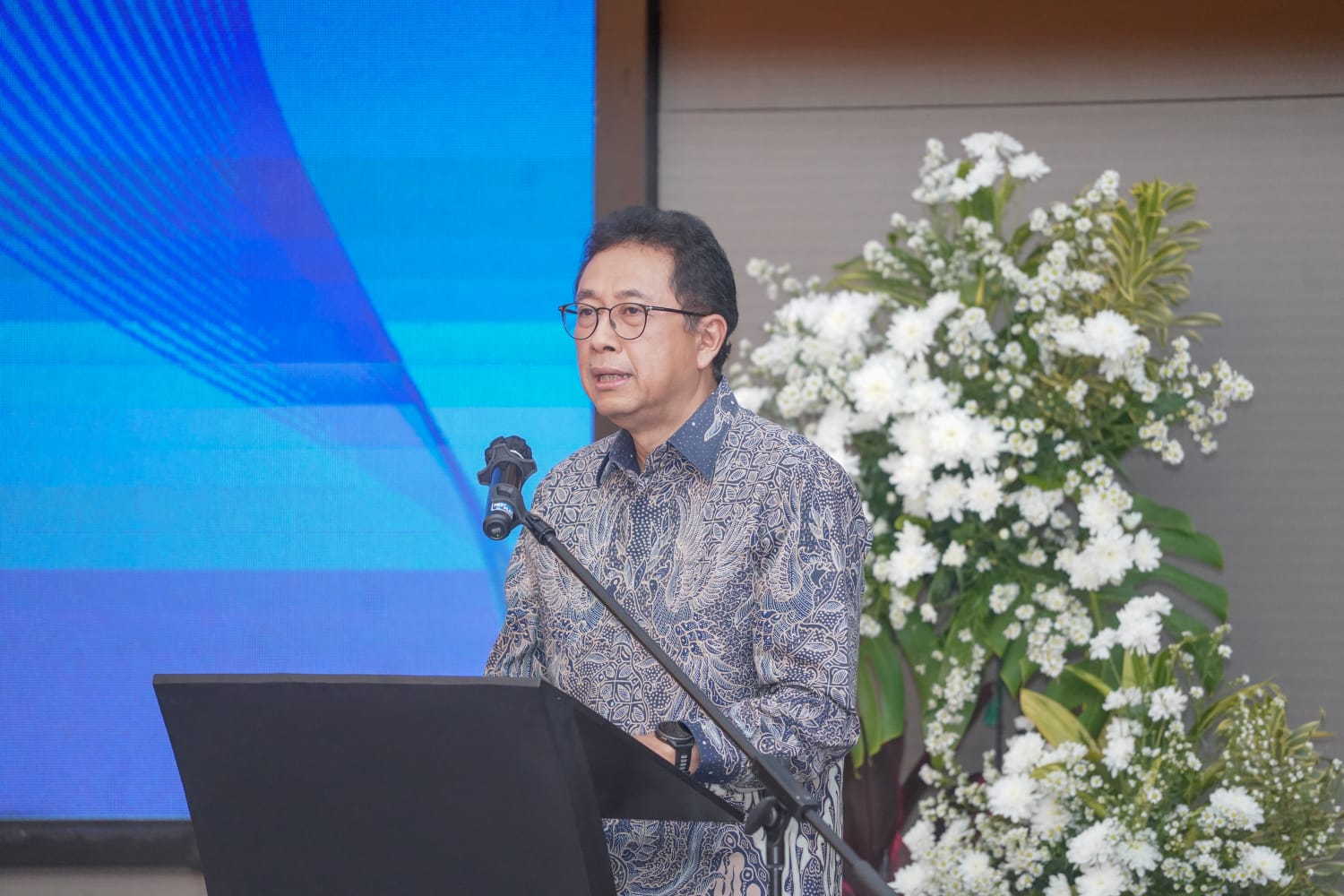
Executive Director of Business I of LPEI, Anton Herdianto, stated that Indonesia's textile export competitiveness is currently supported by finished fabric products, which account for approximately 74% of the country's total textile and textile products (TPT) exports. According to him, the sustainability of export performance is determined not only by garment manufacturers but also by the strength of the entire industry supply chain.
"Global buyers today no longer consider competitive prices alone, but also product quality, on-time delivery, traceability, compliance with international standards, and the use of sustainable materials. Therefore, strengthening the supply chain is the key to maintaining Indonesia's export competitiveness," said Anton.
The Indonesia Eximbank Institute projects that Indonesia's textile exports will continue to grow steadily through 2027, supported by improving global economic prospects amid easing global uncertainty and the projected decline in global interest rates, which is expected to increase global consumer spending on products such as apparel. Indonesia's textile exports are projected to grow by around 2.0%–3.2% in 2026, considering the current export growth realization of 1.3%, while in 2027 exports are projected to grow by 3.5%–4.0%. This growth is expected to be driven by increasing demand for sustainable textile products, particularly in the premium market segment.
According to Anton, Indonesia has strong fundamentals to seize these opportunities, particularly in terms of competitive labor costs and an integrated industrial structure spanning from upstream to downstream. The challenge now is to improve productivity, accelerate industrial modernization, and meet sustainability standards that are increasingly becoming key requirements in export markets.
To support this transformation, LPEI provides various financing, guarantee, insurance, and trade finance facilities tailored to exporters' needs. These facilities include pre-shipment financing, post-shipment financing, Trade Credit Insurance (TCI) to protect exporters against the risk of non-payment by overseas buyers, and Marine Cargo Insurance to provide protection during the shipment of goods.
This is also in line with the direction of the Minister of Finance of the Republic of Indonesia, Purbaya Yudhi Sadewa, who recently encouraged the revitalization of the textile and footwear industries through the provision of affordable liquidity by Indonesia Eximbank/LPEI to modernize machinery and improve global competitiveness.
"Strengthening the national textile supply chain requires close collaboration. LPEI is present not only through financing, but also through advisory services and market insights to help exporters become better prepared to meet global market demands," Anton added.
President Director of PT Ungaran Sari Garments, Maniwanen, stated that LPEI's support has helped the company maintain smooth export operations while improving international trade risk mitigation, particularly in the textile sector.
"LPEI's facilities have greatly supported our export operations. In addition to reducing our financing burden, its insurance products also provide protection against various risks, giving us greater confidence to expand our export markets," he said.
Through strengthened financing, enhanced industrial capacity, and closer collaboration among the Government, LPEI, and business players, Indonesia's textile industry is expected to improve its competitiveness while increasing its contribution to national exports amid the changing global trade landscape.
***
Media Liason
Corporate Secretary – Lembaga Pembiayaan Ekspor Indonesia Ph. : (021) 39503600
Email : corpsec@indonesiaeximbank.go.id
***
Media Liason
Corporate Secretary – Lembaga Pembiayaan Ekspor Indonesia Ph. : (021) 39503600
Email : corpsec@indonesiaeximbank.go.id
 en
en  id
id